Inventive Upcycling Ideas That Make a Difference
Are you intrigued by the concept of upcycling? In an era where sustainability is essential, finding innovative ways to reuse and repurpose items can help reduce waste and contribute to a healthier planet. This comprehensive article shares inventive upcycling ideas that make a difference, offering you inspiration and practical advice for your next project. Whether you're a seasoned eco-warrior or just starting your sustainability journey, these clever tips will help you turn discarded treasures into new wonders!
What is Upcycling?
First, let's get a solid understanding of what upcycling means. Upcycling, sometimes called creative reuse, is the process of transforming waste materials or unwanted products into new materials or products of higher quality or environmental value. Unlike recycling, where materials are broken down before being remade into products, upcycling retains the original item's form, adding creativity and value through transformation.
Why Upcycling Matters
Modern-day consumerism has led to enormous amounts of waste. According to the EPA, over 292 million tons of municipal solid waste were generated in the US alone in 2018--that's about 4.9 pounds per person, per day! Inventive upcycling projects reduce landfill waste, limit resource consumption, save money, and let your creativity flourish--all while making a positive impact on the environment.
- Reduces environmental footprint
- Promotes creative problem-solving
- Saves money on new purchases
- Inspires sustainable living habits
Getting Started: Tips for Successful Upcycling
Before diving into fun upcycling ideas, here are a few important tips:
- Choose quality materials: Look for sturdy, clean items that are safe to reuse.
- Clean and prep: Thoroughly wash, sand, or disinfect as required.
- Think creatively: Ask yourself: What else could this object become?
- Have the right tools: Basic craft supplies, glue, paints, and tools can elevate your project.
- Start simple: Not every upcycle needs to be complex!
Top Inventive Upcycling Ideas to Try Today
1. Transform Old Furniture Into Stunning New Pieces
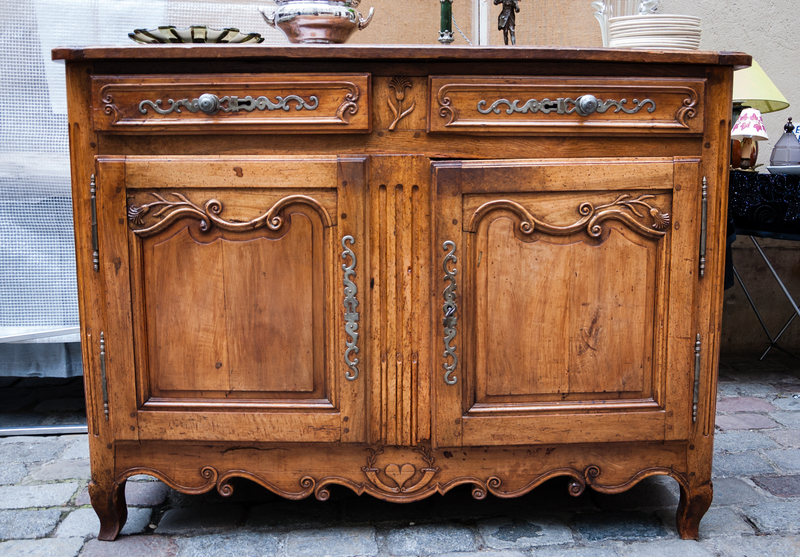
Give old, tired furniture a second chance by transforming it into something fresh and useful. Not only does this prevent bulky items from ending up in landfills, but it also allows you to inject personality into your home. Consider these creative approaches:
- Repurpose wooden pallets as rustic coffee tables, outdoor benches, or shelving units.
- Turn an unused dresser into a chic bathroom vanity or unique kitchen island.
- Use an old door as a headboard, tabletop, or creative entryway organizer.
- Convert a ladder into an imaginative bookshelf or hanging planter rack.
- Reupholster worn chairs with bold fabrics for a contemporary twist.
Each project reduces waste and adds a unique touch to your living space. With a little paint, imagination, and elbow grease, unloved furniture can become a statement piece!
2. Creative Upcycling with Clothing and Textiles
Did you know the average American throws away about 81 pounds of clothing annually? Rethink what you do with those forgotten garments. Here are innovative textile upcycling ideas:
- T-shirt quilts: Stitch together sentimental tees for a cozy, memory-filled blanket.
- Denim planter pots: Upcycle jeans into stylish planters or storage bins.
- Scrap fabric rugs: Weave or braid leftover textiles into colorful custom rugs.
- Turn sweaters into pillow covers for added comfort and warmth.
- Use cut-up shirts as reusable cleaning rags or produce bags.
Revamping textiles not only curbs waste, but also fosters creativity. Get the whole family involved in these eco-friendly upcycling projects!
3. Household Upcycling: From Jars to Jewels
Household items destined for recycling can gain new purpose through imaginative upcycling. Glass jars, for instance, are incredibly versatile:
- Storage containers: Label and use for pantry, craft, or bathroom supplies.
- Candle holders or lanterns: Add sand, shells, or stones for a decorative glow.
- Vases or planters: Showcase flowers, succulents, or fresh herbs on your sill.
- DIY snow globes or terrariums using small trinkets and figurines.
- Painted jars as colorful desk organizers or pencil holders.
You can even upcycle kitchen scraps by starting a compost bin or regrowing vegetables from cut ends--both impactful for waste reduction and self-sufficiency!
4. Upcycling Ideas for Garden and Outdoor Spaces
Take your sustainability efforts outside! Upcycling in the garden not only diverts waste but also injects personality into your landscape.
- Tire planters: Paint and stack old tires as bold flowerpots or raised beds.
- Wine bottle edging: Create unique garden borders using colorful glass bottles.
- Pallet compost bins: Assemble sturdy composters from discarded pallets.
- Rain barrels from repurposed food-grade drums.
- CD scarecrows: Hang up old, reflective CDs to deter birds from veggie beds.
Inventive upcycling in your outdoor areas helps wildlife, creates vibrant spaces, and supports responsible resource use.
5. Tech and Electronics: Reimagine the Unwanted
While electronic recycling is vital, some e-waste can be imaginatively upcycled:
- Keyboard key magnets: Turn keys into fun fridge magnets with a glue gun.
- Motherboard wall art: Arrange old circuit boards for an industrial-chic touch.
- Hard drive clocks: Use slim drives as bases for unique wall or desk clocks.
- Transform smartphone boxes into cable organizers or jewelry trays.
- Wind up wires into DIY coasters or drawer dividers.
With safety precautions in mind (certain electronics may require special handling), upcycling electronics can be both creative and environmentally beneficial.
The Social and Environmental Impact of Upcycling
Upcycling not only diverts waste but also fosters community, encourages small business creation, and sparks STEM/STEAM learning in schools. Local artisans, for example, often use ingenious upcycling techniques to produce one-of-a-kind goods. Schools and non-profits incorporate upcycled materials in craft, tech, and garden programs to teach the importance of resourcefulness.
Environmental benefits include:
- Less landfill waste: Fewer discarded items equals reduced pollution and space consumption.
- Lower carbon footprint: Reduces the energy needed to manufacture new products.
- Resource conservation: Saves water, trees, and non-renewables.
- Inspires others to rethink consumption and embrace a circular economy mindset.
By sharing inventive upcycling ideas, we increase awareness, foster creativity, and inspire positive changes that ripple through generations.
Upcycling Success Stories: Real Life Examples
Businesses Thriving on Ingenious Upcycling
Some companies have made their mark with inventive upcycling solutions:
- TerraCycle: This company collects and upcycles hard-to-recycle waste (like chip bags and pens) into benches, playgrounds, and other products.
- Freitag: Swiss brand famous for transforming truck tarps and seatbelts into trendy bags.
- Ecoalf: Uses ocean plastic to create high-quality fashion and accessories.
- Upcycled skateboards turned into jewelry, glasses, and phone cases by entrepreneurs worldwide.
Communities Making a Difference
- Upcycling festivals worldwide, from Maker Faires to local "Junk Art" competitions, showcase innovative projects and inspire more people to get involved.
- School programs teaching students to design, build, and sell upcycled goods as part of environmental curriculum.
- Neighborhood repair cafes helping residents extend the life of items and swap upcycling skills.
These real-life examples prove that upcycling isn't just a trend--it's a movement making a genuine impact on people, communities, and the environment.
Upcycling in Art and Fashion
Upcycling continues to take the art and fashion communities by storm. Leading designers transform repurposed materials into runway-ready pieces, and artists use unconventional media to challenge consumer culture. For example:
- Prom dresses from plastic bags and wrappers: Showcased in sustainable fashion shows.
- Sculptures from scrap metals: Installations raising awareness about ocean pollution.
- Handbags crafted from seatbelts, vinyl records, or bicycle inner tubes: Stylish and functional!
Art and fashion powered by upcycling demonstrate how creative reuse can inspire new standards of beauty and consciousness.
How to Find Upcycling Inspiration
Feeling motivated to create? Here are ways to brainstorm new upcycling projects:
- Browse Pinterest, Instagram, and YouTube: Find tutorials, ideas, and upcycling challenges.
- Visit thrift stores or flea markets: Imagine new lives for old objects.
- Connect with local makers or repair shops: Share tips and gather creative energy.
- Attend crafting classes or DIY workshops focused on sustainable practices.
- Join online eco-friendly or zero-waste communities for support and inspiration.
Tips for Safe and Sustainable Upcycling
It's important to upcycle safely and sustainably. Here are some best practices:
- Always clean or disinfect old items before using.
- Avoid hazardous materials like lead paint or asbestos.
- Check the structural integrity of items for safety.
- Be careful when using power tools, paints, or adhesives (choose low-VOC, eco-friendly options where possible).
- Wear protective gear and keep a tidy workspace.
Summary: Make a Real Difference with Inventive Upcycling Ideas
Upcycling empowers you to innovate, create, and conserve resources, all at the same time. Whether you are repurposing household items, reviving old furniture, or transforming textiles into new treasures, your inventive upcycling efforts truly make a difference for the planet and future generations.
Ready to make an impact? Start today with your own inventive upcycling project! Share your creations, get inspired by the community, and help shape a world where waste is minimized, resources are respected, and creativity knows no limits.
Frequently Asked Questions About Inventive Upcycling
-
What's the difference between upcycling and recycling?
Upcycling creatively repurposes items in their existing form, enhancing their value. Recycling usually breaks items down into raw materials to produce new products. -
Can upcycled items be sold?
Absolutely! Many artisans and small businesses sell upcycled goods online and at local markets. -
What materials are easiest to upcycle?
Fabrics, glass jars, wooden furniture, and certain plastics work especially well for upcycling projects.
Start Your Inventive Upcycling Journey Today
With limitless possibilities and benefits, inventive upcycling ideas are a rewarding path toward joyful creativity and eco-friendly living. The next time you're about to discard an item, ask yourself: How could I give this a second life?
If you enjoyed these tips, share this article with friends or join an upcycling community. Together, we can all make a meaningful difference--one ingenious upcycling idea at a time!
