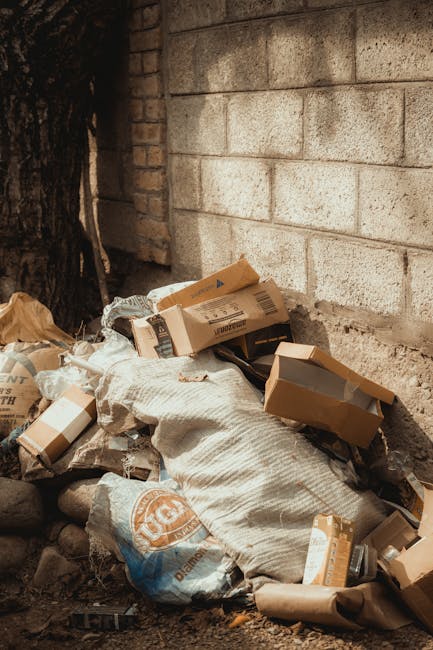
Avoid hidden rubbish removal costs in Maidenhead

If you have ever booked a clearance job and then watched the final bill creep up, you will know why people search for ways to avoid hidden rubbish removal costs in Maidenhead. The price looked fine at first. Then came the extra uplift fee, the access charge, the waiting time, the bulky item supplement... and suddenly the "cheap" option was not cheap at all.
This guide is here to help you spot those surprises before they happen. We will look at how rubbish removal pricing usually works, where hidden charges tend to appear, what to ask before you book, and how to compare quotes properly without getting tripped up by vague wording. A bit of clarity goes a long way here, truth be told.
Whether you are clearing a garage in Maidenhead, removing office waste, or just trying to get rid of a few awkward items after a house move, the same rule applies: know what is included, know what is excluded, and make sure the quote matches the job you actually need done.
Why Avoid hidden rubbish removal costs in Maidenhead Matters
Hidden costs do more than annoy you. They can change the whole decision. A quote that seems sensible at first may end up costing more than a skip, more than a second visit, or more than a well-planned clearance should reasonably cost. That is especially frustrating when you are already dealing with a messy room, renovation debris, or the stress of getting a property ready for sale.
In Maidenhead, as in many busy areas, the real problem is not usually that waste removal is expensive by definition. It is that pricing can become unclear when a provider does not explain the job properly. If the team has to carry items a long way, negotiate narrow access, separate materials on site, or deal with waste that needs special handling, the final figure can climb quickly. Some of that may be fair. What people resent is not the cost itself, but the surprise.
Let's face it, nobody enjoys a bill that feels like it was assembled in the back room after the van left. A transparent rubbish removal service should make it easy to understand what you are paying for before anyone starts loading.
This matters even more if you are clearing:
- a property where access is tight
- mixed waste with heavy or awkward items
- builders' rubble from a renovation
- office furniture or confidential materials
- large household items that need careful lifting
If you are planning a broader clearance, it can also help to look at related services such as house clearance, office clearance, or builders waste clearance so the quote matches the type of waste more accurately.
How Avoid hidden rubbish removal costs in Maidenhead Works
The basic idea is simple: the cleaner and clearer the brief, the more accurate the quote. Most rubbish removal pricing is shaped by a few core factors rather than one single flat number. That is normal. The trouble starts when those factors are not explained in plain English.
Here is how a sensible quote process usually works:
- You describe the waste - item types, rough volume, and whether anything is heavy, fragile, or hazardous.
- The provider assesses access - stairs, parking, loading distance, lift access, and how easy it is to reach the waste.
- They check disposal requirements - certain items need separation, specialist handling, or different processing routes.
- You receive a written or clearly explained quote - ideally with inclusions, exclusions, and any likely extras stated upfront.
- The team completes the removal - and the final bill should match what was agreed unless the job genuinely changes on site.
That last part is key. A good provider should not use vague "starting from" language as a trap. If the actual waste volume or collection conditions differ materially from what was described, some adjustment may be fair. But a quote should not be a guessing game. If the job is a straightforward furniture pickup, it should feel straightforward.
For example, removing a couple of sofas is not the same as clearing a loft full of mixed household items. If the waste includes specialist items, it may be wise to separate those in advance and use the right service, such as mattress and sofa disposal or fridge and appliance removal, rather than letting them quietly inflate the price of a general load.
Key Benefits and Practical Advantages
Being careful about pricing is not just about saving money. It makes the whole job smoother. Once you know what to expect, you can plan the clearance properly and avoid the awkward back-and-forth that wastes everyone's time.
The main benefits are practical:
- Fewer surprises - you know the likely final cost before collection day.
- Better comparison - you can compare like with like instead of chasing the cheapest headline price.
- Faster booking - when details are clear, providers can schedule more accurately.
- Less stress - no last-minute haggling over access, load size, or unusual items.
- Better value - the cheapest quote is not always the best deal, especially if extras are hidden.
There is also a quality angle. Honest pricing tends to go hand in hand with better service. Providers who explain what is included often give clearer collection windows, more realistic advice on load size, and fewer unpleasant surprises on the day. That is usually what you want.
If you are dealing with mixed waste, it can help to understand what belongs in a load before you book. The guide on what can go in a skip is useful for thinking through separation, even if you are not hiring a skip. The same practical logic applies: not all waste behaves the same way, and not everything should be priced as general rubbish.
Expert summary: The safest way to avoid surprise charges is to give a precise description, ask what is excluded, and make sure the quote covers access, labour, disposal type, and any special items before the van arrives.
Who This Is For and When It Makes Sense
This matters for almost anyone arranging waste removal, but some situations are more vulnerable to hidden costs than others.
You will especially benefit from a careful approach if you are:
- moving out of a flat or house and need a fast clear-up
- decluttering a garage, loft, or spare room
- managing a shop, office, or rental property
- doing a refurbishment and removing rubble, packaging, or fittings
- disposing of bulky furniture after a replacement delivery
- dealing with garden waste after a big tidy-up
In a lot of cases, the job sounds simple until the detail is added. A "few bits from the garden" can become branches, soil bags, broken pots, old timber, and a rusting bench. A "small office clear-out" can involve desks, monitors, filing cabinets, and confidential paperwork. Suddenly the job is not tiny anymore.
That is why different service pages can be relevant depending on the job. A domestic clear-out may fit better with home clearance or garage clearance, while a business move might lean towards business waste removal. Using the right service helps avoid the classic "that wasn't included" conversation.
If you are on a tight schedule, this approach matters even more. Same-day or next-day removals are handy, but only if the quote is clear. Speed is great. Surprise fees, not so much.
Step-by-Step Guidance
If you want to avoid hidden rubbish removal costs in Maidenhead, use a structured approach. It takes a few minutes, but it can save a proper headache later.
1. Make a simple inventory
Walk through the area and list the waste in plain terms. "Two wardrobes, one mattress, several black sacks, a broken microwave, and some cardboard" is much better than "a load of stuff." If you can, separate the items into groups: furniture, general household waste, electricals, builder's waste, or garden waste.
2. Estimate the volume honestly
Many unexpected charges come from load-size misunderstandings. A van fills up faster than people think. If your waste is stacked, awkward, or loose, say so. A neat pile in the corner can look tiny in a photo and be much larger when lifted. Oddly enough, rubbish has a talent for expanding when you start moving it.
3. Explain access clearly
Tell the provider about stairs, long driveways, blocked parking, narrow doors, or difficult lifting routes. If the team has to carry items a long way from the property to the vehicle, that can affect labour time. Better to say it upfront than argue later.
4. Ask what is included in the quote
This is where many people miss the small print. Ask whether the price includes:
- labour to load the waste
- disposal fees
- fuel or travel
- VAT, where applicable
- heavy item handling
- extra stops or waiting time
5. Check special items separately
Some materials need separate handling or a different disposal route. Items such as fridges, sofas, mattresses, and certain hazardous wastes may carry additional costs because they cannot simply be tipped into a mixed load. For those, dedicated services such as hazardous waste disposal or appliance-specific removal may be more appropriate.
6. Get the quote in writing if possible
You do not need a legal dissertation. Just a written quote or a clear message summary that records the agreed scope helps prevent misunderstandings. It is one of those small habits that pays off.
7. Confirm the day-of rules
Before the team arrives, confirm what time they are coming, whether someone needs to be present, and what happens if the load changes. If you add more waste at the last minute, say so. It is far easier to adjust the job before loading starts than during the final lift.
Expert Tips for Better Results
Over time, a few habits make a big difference. None of them are glamorous, but they save money and reduce friction.
- Take photos from more than one angle. One picture rarely tells the full story. A side view and a wider shot give a more honest sense of volume.
- Separate reusable items. If some furniture or fixtures can be reused or donated, that may reduce the waste load and make sorting easier.
- Break down large items where safe. Flat-pack-style dismantling can lower labour time and improve loading efficiency.
- Ask about recycling routes. A provider with a stronger recycling focus may process some materials more efficiently, which can support better value. You can also review recycling and sustainability if that matters to you.
- Watch for "call-out" wording. A small base fee plus hidden extras is a common pattern. Not always unfair, but it should be explained clearly.
- Keep one person in charge of approval. If two household members are answering the provider with different details, the quote can get messy very quickly.
A practical little trick: if the load looks borderline, tell the provider the worst-case version rather than the best-case version. You can always come in under the estimate. It is harder to go the other way.
Another useful habit is to think about whether the waste is better handled as a clearance project rather than a one-off collection. For example, a loft that is full of boxes, old furniture, and seasonal clutter may be better approached as a loft clearance, not just a generic rubbish removal job. That usually leads to clearer pricing and a cleaner outcome.
Common Mistakes to Avoid
Most hidden charges come from a handful of predictable mistakes. If you can sidestep these, you are already ahead.
- Giving vague descriptions. "A van load" means very little on its own.
- Forgetting difficult access. Long carries, parking issues, and stairs can change the job.
- Assuming all items are treated the same. They are not. Furniture, white goods, rubble, and hazardous materials all behave differently from a pricing perspective.
- Only asking for the cheapest quote. The lowest price can be the most expensive if extras are hidden.
- Not checking exclusions. Some companies quote for loading only, or exclude disposal of certain items.
- Leaving waste classification until the last minute. Builders' waste, garden waste, and office waste often need different handling.
- Ignoring business terms. A few minutes reading the terms and conditions can prevent a lot of awkwardness later on.
To be fair, people are busy. Nobody wants to spend half a morning decoding a rubbish removal estimate. But the awkward truth is that the cheapest quote on paper is often built on assumptions. And assumptions, as you know, are where bills get weird.
Tools, Resources and Recommendations
You do not need specialist software to keep costs under control. A few basic tools and a bit of organisation usually do the job.
- Your phone camera - useful for photos and quick reference.
- Notes app or checklist - ideal for listing items and dimensions.
- Tape measure - handy for checking bulky items, door widths, or awkward spaces.
- Bins or labels - useful if you want to separate waste types before collection.
- Calendar reminder - for booking windows and follow-up questions.
When comparing providers, ask for a clear breakdown of labour, disposal, and special-item handling. You may also want to review pages like pricing and quotes and payment and security so you understand how the booking and payment process works before anything is confirmed.
If the job involves confidential paperwork, don't just throw it into the general load. Consider confidential shredding for documents that should not be mixed with ordinary rubbish. It is a small detail, but it matters.
For larger or more specialised clearances, it can also be helpful to compare service pages side by side. For instance, a domestic declutter might involve flat clearance or furniture disposal, while a mixed site clearance could be better handled as a broader waste removal job. The clearer the service fit, the fewer pricing surprises.
Law, Compliance, Standards, or Best Practice
Waste removal is not just a pricing issue. In the UK, waste must be handled responsibly, and reputable providers should be able to explain how they manage collection, transport, and disposal in line with normal industry practice. You do not need to become an expert in waste law to protect yourself, but it helps to know a few basics.
As a customer, your job is to use a provider that behaves sensibly, asks relevant questions, and does not encourage careless dumping. As a rule of thumb, if someone seems oddly relaxed about mixed waste, hazardous items, or unclear disposal routes, that is worth a pause. A proper service should also be able to explain how it handles safety, insurance, and security matters, especially if they are working in occupied homes or business premises. Pages like insurance and safety and health and safety policy can help you understand the standards a provider says it follows.
Best practice usually looks like this:
- clear scope before collection
- no misleading headline pricing
- proper handling of restricted items
- safe lifting and loading
- transparent payment terms
- recycling where practical and appropriate
If you are a business customer, be especially careful with records, recurring collections, and confidentiality. A business waste arrangement should be clear enough for internal approvals and invoicing. For larger sites or repeat collections, business waste removal is often a more suitable starting point than a one-off domestic-style pickup.
Options, Methods, or Comparison Table
Choosing the right approach can reduce hidden charges before they have a chance to appear. Here is a simple comparison to help you decide.
| Method | Best for | Potential cost risk | What to check |
|---|---|---|---|
| General rubbish removal | Mixed household or light commercial waste | Medium if the load is misdescribed | Volume, access, and excluded items |
| Specialist item disposal | Mattresses, sofas, fridges, appliances | Lower if the item type is declared upfront | Whether the item carries a separate handling fee |
| Room or property clearance | Lofts, garages, flats, homes, offices | Lower when the service matches the job | Labour, time on site, and number of rooms |
| Builders' waste clearance | Renovation rubble, timber, packaging, fixtures | Medium to high if waste type is mixed or heavy | Material mix, weight, and access |
| Garden clearance | Green waste, soil, branches, outdoor clutter | Medium if soil or heavy materials are included | Weight limits and mixed waste rules |
The main lesson here is simple: use the method that fits the waste, not the one that looks cheapest at first glance. If you need help deciding, a specialist page such as garden clearance or furniture clearance can make the scope much clearer.
Case Study or Real-World Example
Picture a typical Maidenhead Saturday morning. A homeowner has been clearing a spare room for weeks, and by 9am the hallway is full of old chairs, broken shelves, boxed toys, a mattress, and a bag of mixed odds and ends. The first thought is, "That looks like one load." The second thought, once everything is gathered at the front door, is, "Actually... maybe not."
This is where hidden costs often begin. If the original description was just "some furniture and rubbish," the provider may have quoted for a much smaller job. On arrival, they see a mixed load, awkward carrying distance, and a mattress that needs separate handling. None of that is inherently wrong to price differently. The issue is whether the customer was told in advance.
In a better version of the same job, the customer sends a few photos, notes the stair access, flags the mattress separately, and asks for a breakdown of labour and disposal. The quote is a bit higher than the first headline number they saw elsewhere, but it is realistic. The collection happens, the invoice matches the agreement, and everyone moves on without drama. Nice and boring. Which, in rubbish removal, is actually ideal.
We see the same pattern with businesses. A small office clear-out can look minor until the team starts counting desks, chairs, monitors, cardboard, and confidential files. Using the right service from the start, such as office clearance, helps keep the pricing straight and the process calmer.
Practical Checklist
Use this before you book. It is simple, but it catches a lot of problems.
- Have I listed every item that needs removing?
- Have I estimated the volume honestly, not optimistically?
- Have I explained access issues such as stairs, parking, or long carries?
- Have I separated special items like mattresses, fridges, or hazardous materials?
- Have I asked what the quote includes and excludes?
- Have I checked whether VAT or other fees are already included?
- Have I confirmed the collection window and payment method?
- Have I compared the quote with a second option, if needed?
- Have I read the terms and conditions before saying yes?
- Have I made sure the service type matches the job?
Quick takeaway: accurate information upfront is the fastest route to a fair price. It sounds obvious, but that is usually where people save the most money.
If you want to move from planning to action, you can also use the site's book online option when you are ready to confirm the job. If you prefer to ask a few questions first, the contact page is the obvious next step.
Conclusion
To avoid hidden rubbish removal costs in Maidenhead, focus on three things: describe the waste clearly, check what the quote actually includes, and choose the right service for the job. That alone prevents most of the nasty surprises people complain about afterwards.
The best rubbish removal experience is rarely the one with the flashiest headline price. It is the one that feels clear, fair, and calm from the first message to the final sweep-up. A little care at the start can save a lot of frustration later, and that is especially true when you are clearing a home, office, garage, or renovation site in a busy part of town.
So, take the extra minute. Ask the awkward question. Send the photo. Check the small print. It is a modest effort, but it makes the whole thing far easier.
Get a free quote today and see how much you can save.
And if the first quote does not quite feel right, trust that instinct. A good service should leave you feeling relieved, not wary.
Frequently Asked Questions
What are hidden rubbish removal costs?
Hidden rubbish removal costs are extra charges that were not clearly explained when you got the quote. They often relate to access, labour, bulky items, disposal type, or items that need special handling.
How can I tell if a rubbish removal quote is genuine?
A genuine quote should explain what is included, what is excluded, and what might change the price. If it is unusually vague or only gives a headline figure, ask for a breakdown before booking.
Why do some rubbish removal prices change on the day?
Prices can change if the actual job is different from the description. For example, the load may be larger, access may be harder, or there may be items that need separate disposal. That said, a clear quote should reduce these surprises.
Is it cheaper to use a skip or a rubbish removal service?
It depends on the waste type, how much you have, how easy it is to load, and whether you can manage the labour yourself. A skip can suit some projects, while a removal team can be better for heavy lifting or fast clearances.
Do sofas, mattresses, and fridges cost more to remove?
They often can, because they may need separate handling or disposal routes. It is best to declare them upfront and use a suitable service such as mattress and sofa disposal or fridge and appliance removal.
How do I avoid paying for wasted time or extra labour?
Give accurate details about access, loading distance, stairs, and parking. If the team knows what they are walking into, the quote is more likely to be fair and final.
Should I ask for a quote in writing?
Yes, if possible. A written quote, text summary, or email confirmation helps protect both sides and makes it much easier to resolve any misunderstanding later.
What if I am not sure how much waste I have?
Use photos from several angles and describe the items honestly. If the load is borderline, it is usually better to describe the larger possibility rather than underestimate it.
Are builders' waste jobs priced differently from household rubbish?
Often, yes. Builders' waste can be heavier, denser, and more expensive to process. Clear descriptions matter a lot here, especially for rubble, timber, plasterboard, and mixed construction waste.
Can I mix all my waste together to save money?
Not always. Some items need separate handling for safety or disposal reasons. Mixing everything together can make pricing less clear and may increase the chance of extra charges.
What should I check before booking a rubbish removal company in Maidenhead?
Check the company's pricing structure, what is included in the quote, access requirements, handling of special items, payment terms, and whether the service type matches your job. A quick review of terms and conditions is worth doing too.
What is the most common mistake people make?
The most common mistake is giving too little detail. "A few bits" sounds harmless, but it often leads to a quote that is not based on the real job. A little precision goes a long way.